
The risk of developing prostate cancer increases with age, being more common in men over 50 years old.
Prostate Cancer
What is prostate cancer?
Prostate cancer is a disease that affects men, especially those over 50 years old, and is caused by an abnormal growth of cells in the prostate gland. It can be localized or spread to other parts of the body. In its early stages, it usually does not present symptoms, but it can progress and seriously affect health if not detected in time.
Early detection is key for effective treatment and a better prognosis. At Andrología Málaga, our specialized uro-oncologists offer a comprehensive diagnosis and personalized treatments. We use advanced technology, such as the Da Vinci robot, to perform precise and less invasive surgeries. We are committed to your health and well-being every step of the way.
Common symptoms of prostate cancer: how to detect them early
Prostate cancer is usually silent in its early stages, so many men do not show obvious symptoms at the beginning. However, when the disease progresses, signs may appear that you should not ignore, such as:
- Difficulty starting urination or weak, interrupted urine flow.
- Feeling that the bladder does not fully empty.
- Urinary urgency, which in some cases may cause involuntary leakage.
- Pain or discomfort when urinating or during ejaculation.
- Presence of blood in the urine or semen.
- Persistent pain in the lower back, hips, or pelvis.
- Frequent need to urinate, especially at night (nocturia).
These symptoms can seriously affect your daily well-being and, if not treated promptly, may lead to serious complications. At Andrología Málaga, we have a team of specialists who provide accurate diagnoses and offer personalized treatments for each case, helping you manage symptoms and improve your quality of life.
Main causes of prostate cancer
Prostate cancer is a complex disease whose development can be influenced by various factors. Understanding these causes is key to early detection and applying the most appropriate treatment. At Andrología Málaga, our specialized uro-oncologists offer a comprehensive and personalized approach tailored to each patient.
Below, we explain the main causes and risk factors associated with prostate cancer:
Advanced age
Family history
Having first-degree relatives (father or brother) with prostate cancer increases the risk.
Hormonal factors
Elevated testosterone levels or hormonal imbalances can influence abnormal prostate growth.
Diet
Diets high in animal fats and sedentary lifestyles may promote its development.
Obesity
Obesity has been associated with a higher risk and a more advanced diagnosis of prostate cancer.
If you have any of these factors, it is important to have regular check-ups. At Andrología Málaga, we offer advanced tests such as PSA and fusion biopsy to achieve an early and accurate diagnosis.
Diagnosis and treatment of prostate cancer at Andrología Málaga
Prostate cancer is a common disease that can affect the health and quality of life of many men. At Andrología Málaga, we offer you an accurate and effective diagnosis, including advanced techniques such as fusion biopsy, which allows precise localization of suspicious areas in the prostate for a more accurate analysis.
Our team of specialist urologists uses state-of-the-art technology, such as the Da Vinci robot, to provide personalized and minimally invasive treatments tailored to each patient’s needs. This way, we ensure the best care for your prostate health and overall well-being.
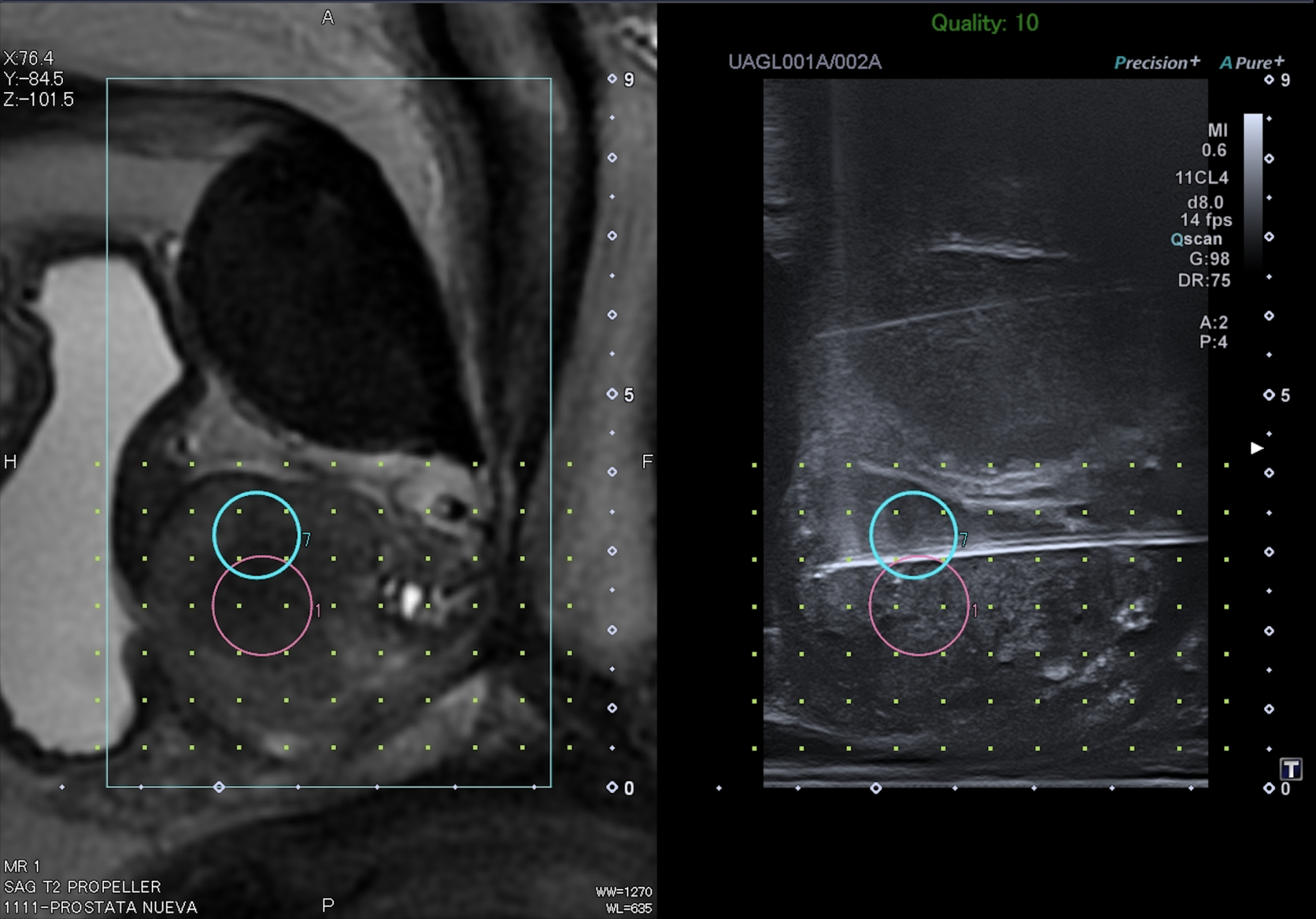
Fusion biopsy: more accurate diagnosis of prostate cancer
This advanced technique combines magnetic resonance imaging (MRI) and real-time ultrasound to guide the sampling of prostate tissue. By focusing on the most suspicious areas, it significantly increases diagnostic accuracy, allowing for early detection of prostate cancer and reducing unnecessary biopsies.
At Andrología Málaga, we use this state-of-the-art technology to provide our patients with an effective, safe, and personalized diagnosis.
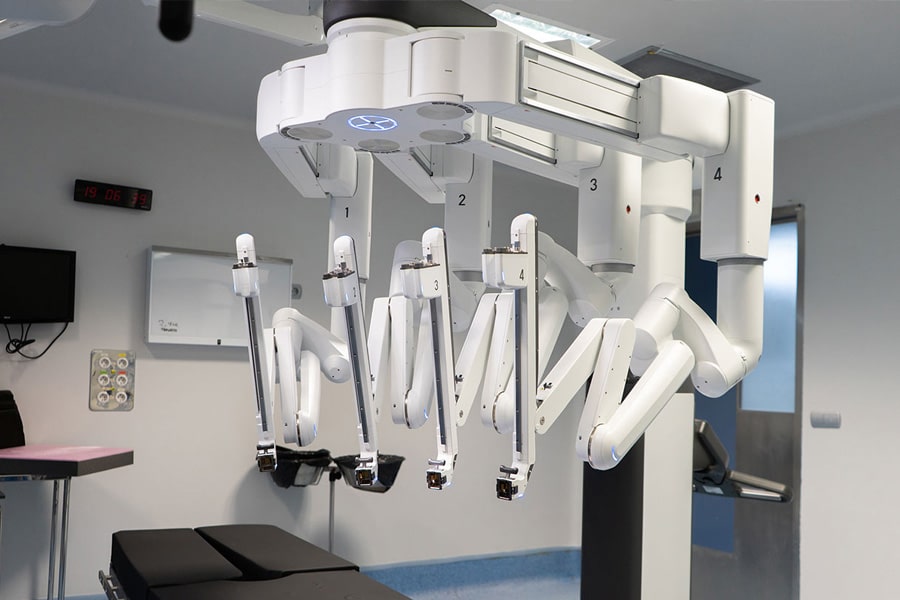
Da Vinci surgical robot
This minimally invasive approach allows for the removal of the affected prostate with millimeter precision, thanks to the technology of the Da Vinci surgical robot. This advanced technique reduces bleeding, the risk of complications, and recovery time, enabling a faster return to daily life.
At Andrología Málaga, our specialized uro-oncologists use this technology to provide each patient with a safe, precise, and personalized procedure.
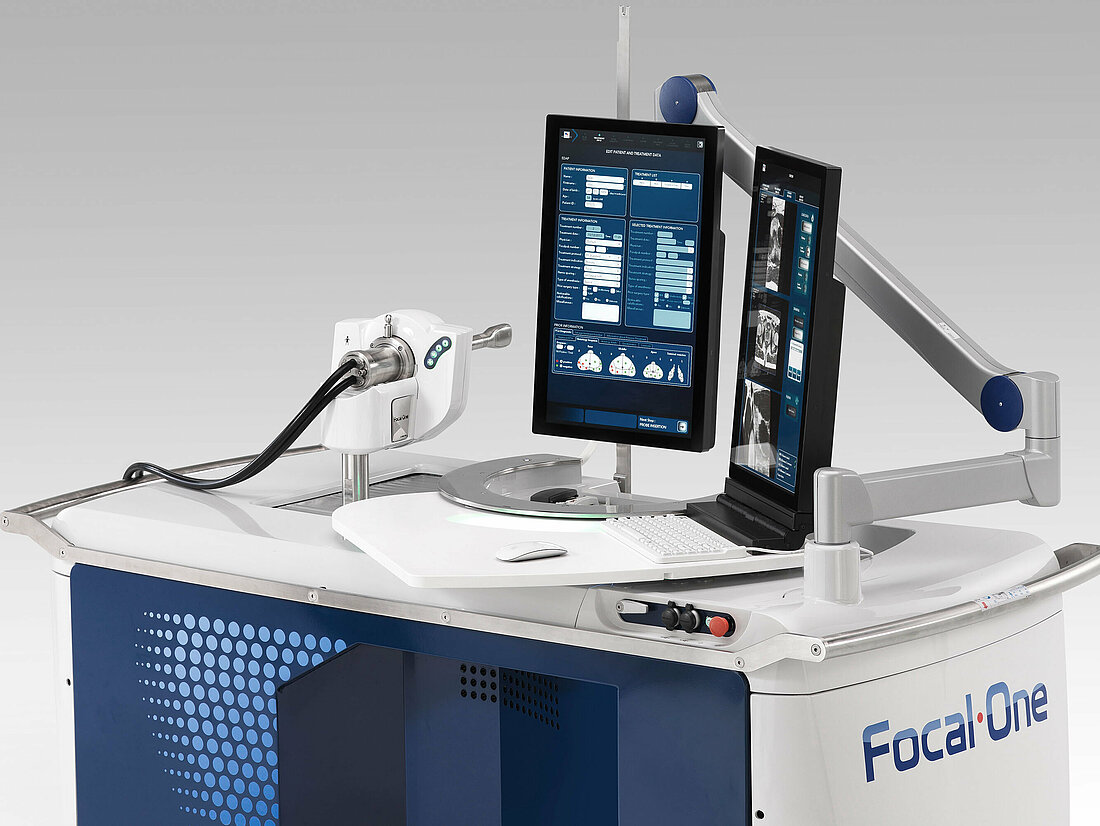
HIFU (High-Intensity Focused Ultrasound): precise and non-invasive treatment
The HIFU treatment uses focused ultrasonic energy to locally destroy cancer cells in the prostate. It is a less invasive option that does not require open surgery and allows for a faster recovery, with a lower risk of side effects such as incontinence or erectile dysfunction.
At Andrología Málaga, our specialists evaluate whether this treatment is suitable for you, as part of a personalized approach focused on your quality of life.

Hormone therapy for prostate cancer: controlling tumor growth
Hormone therapy is used to reduce testosterone levels, the male hormone that can stimulate the growth of prostate cancer. This treatment may include medications that block testosterone production or prevent its action on cancer cells.
At Andrología Málaga, our oncological urologists assess when this approach is most appropriate, especially in advanced cases or as a complement to other treatments, to slow cancer progression and alleviate symptoms.

Radiotherapy
Radiotherapy uses high doses of radiation to eliminate cancer cells in the prostate. It can be applied in two ways:
External beam radiotherapy: radiation is directed from outside the body toward the prostate.
Brachytherapy (internal radiotherapy): small radioactive sources are placed directly inside the prostate gland.
This treatment is effective both in early stages and in combination with other approaches in more advanced cases.

Active surveillance
In cases of low-risk prostate cancer, where the tumor is small, grows slowly, and does not show aggressive symptoms, an approach called active surveillance may be chosen.
This method involves regularly monitoring the cancer’s progression through PSA tests, MRI scans, and follow-up biopsies. This way, unnecessary treatments that could affect quality of life are avoided, intervening only if the disease shows signs of progression.
Frequently Asked Questions about prostate cancer
At Andrología Málaga, we use advanced tools such as:
PSA blood test
Digital rectal exam
Multiparametric MRI
Fusion biopsy (for greater accuracy)
At Andrología Málaga, the digital rectal exam is a traditional tool that can help detect abnormalities in the prostate, but it is not always essential. Thanks to advanced technology, when the PSA level is elevated or there is clinical suspicion, we can perform a multiparametric MRI or a fusion biopsy to obtain a more precise and less invasive diagnosis.
Therefore, in many cases, we can avoid the digital rectal exam and opt for these advanced tests to confirm or rule out the presence of prostate cancer, ensuring greater comfort and accuracy in diagnosis.
It is recommended to see a urologist starting at age 50 (earlier if there is a family history) for prostate check-ups. If you experience urinary symptoms or persistent discomfort, schedule an appointment as soon as possible.
Comprehensive Care for Prostate Cancer in Málaga
If you’re looking for an andrologist or urologist in Málaga for prostate cancer diagnosis and treatment, Andrología Málaga is your best choice. Our team of expert uro-oncologists offers a comprehensive and personalized approach, using advanced technology such as the Da Vinci robot for precise and minimally invasive surgeries.
We are committed to providing you with the best care to protect your prostate health and improve your overall well-being.
Do you have questions or need advice? Contact us—we’re here to help.