
Benign Prostatic Hyperplasia (BPH)

Benign Prostatic Hyperplasia (BPH) is a prostate enlargement that causes urinary symptoms such as difficulty urinating or increased frequency. In Málaga, our expert urologists offer accurate diagnosis and effective treatments to improve your prostate health and quality of life.

What is benign prostatic hyperplasia (BPH) or benign enlargement of the prostate?

Benign prostatic hyperplasia (BPH) is a common condition in men over 50 years old, characterized by the non-cancerous enlargement of the prostate. This growth can press on the urethra and cause urinary problems such as difficulty starting urination, weak stream, feeling of incomplete bladder emptying, and frequent urges to urinate, especially at night. These symptoms can seriously affect your comfort and daily quality of life.

At our clinic in Málaga, we have expert urologists who perform a comprehensive and personalized diagnosis for each patient with benign prostatic hyperplasia. We offer effective treatments ranging from medications to minimally invasive options, always tailored to your needs to relieve symptoms and improve your well-being.

If you are looking for a specialist in Málaga to help you manage BPH and regain your quality of life, at our clinic you will find the professional and compassionate care you need.

How to Recognize the Symptoms of Benign Prostatic Hyperplasia in Men

Benign prostatic hyperplasia (BPH) is a common condition in men over 50 years old, characterized by a non-cancerous enlargement of the prostate. This growth can cause urinary discomfort that affects daily life and quality of life.

If you notice any of these symptoms, it is important to pay attention and consult a specialist:

  • Increased frequency of urination, especially at night (nocturia).

  • Difficulty starting to urinate or weak, interrupted urine flow.

  • Feeling that the bladder does not empty completely after urinating.

  • Urinary urgency and, in some cases, small involuntary urine leaks (incontinence).

These signs can interfere with your daily activities and, if left untreated, may cause complications such as infections or kidney problems.

At Andrología Málaga, our team of specialists is prepared to perform an accurate diagnosis and offer personalized treatments to relieve these symptoms, improve your urinary health, and restore your well-being and quality of life.

Main Causes of Prostate Enlargement

Benign prostatic hyperplasia (BPH) is a very common condition in older men that can cause significant urinary discomfort. Understanding the causes behind BPH is key to providing effective and personalized treatment for each individual. At Andrología Málaga, our urologists work with a comprehensive and tailored approach to safely and effectively diagnose and treat this condition.

Below, we explain the main causes that may contribute to the development of benign prostatic hyperplasia:

Aging

As men age, the prostate naturally tends to increase in size. This progressive growth can press on the urethra and obstruct urine flow, causing the typical symptoms of BPH.

Genetics

If you have close family members who have experienced benign prostatic hyperplasia, you may have a higher risk of developing it. Genetic predisposition plays an important role in this condition.

Lifestyle

Obesity, lack of exercise, unhealthy diet, and conditions such as diabetes can increase the likelihood of abnormal prostate growth.

Hormonal changes

Hormone levels, especially testosterone and its active form called dihydrotestosterone (DHT), influence the size of the prostate. A hormonal imbalance can stimulate excessive growth of prostate tissue.

Chronic prostatic inflammation

Some inflammations or repeated infections in the prostate can cause changes in the tissue that promote its enlargement and lead to urinary discomfort.

Treatments for Benign Prostatic Hyperplasia

Benign prostatic hyperplasia (BPH) is a common condition in men over 50 that causes a non-cancerous enlargement of the prostate. This growth can obstruct the urethra and cause bothersome symptoms such as difficulty urinating, weak urine flow, and frequent urination, especially at night. At Andrología Málaga, we understand that every patient is different, so we offer accurate diagnosis and personalized treatments to improve your prostate health and quality of life.

We have several treatment options for BPH, tailored to the specific needs of each case. Below, we present six common alternatives that can help relieve symptoms and restore your well-being:

Pharmacological Treatment

When the symptoms of benign prostatic hyperplasia become more severe, pharmacological treatments can provide effective relief and improve your quality of life. Among the most common and recommended options are:

  • Alpha-blockers: Relax the muscles of the prostate and urethra, making it easier for urine to flow and improving urinary stream.

  • 5-alpha reductase inhibitors: Help reduce the size of the prostate and also lower PSA (prostate-specific antigen) levels in the blood.

  • Antimuscarinics (Anticholinergics) and Beta-3 Agonists: Control bladder-related symptoms such as urgency and urinary frequency.

  • Phosphodiesterase Type 5 Inhibitors (PDE5 inhibitors): Improve urinary function and relieve associated discomfort, contributing to greater well-being.

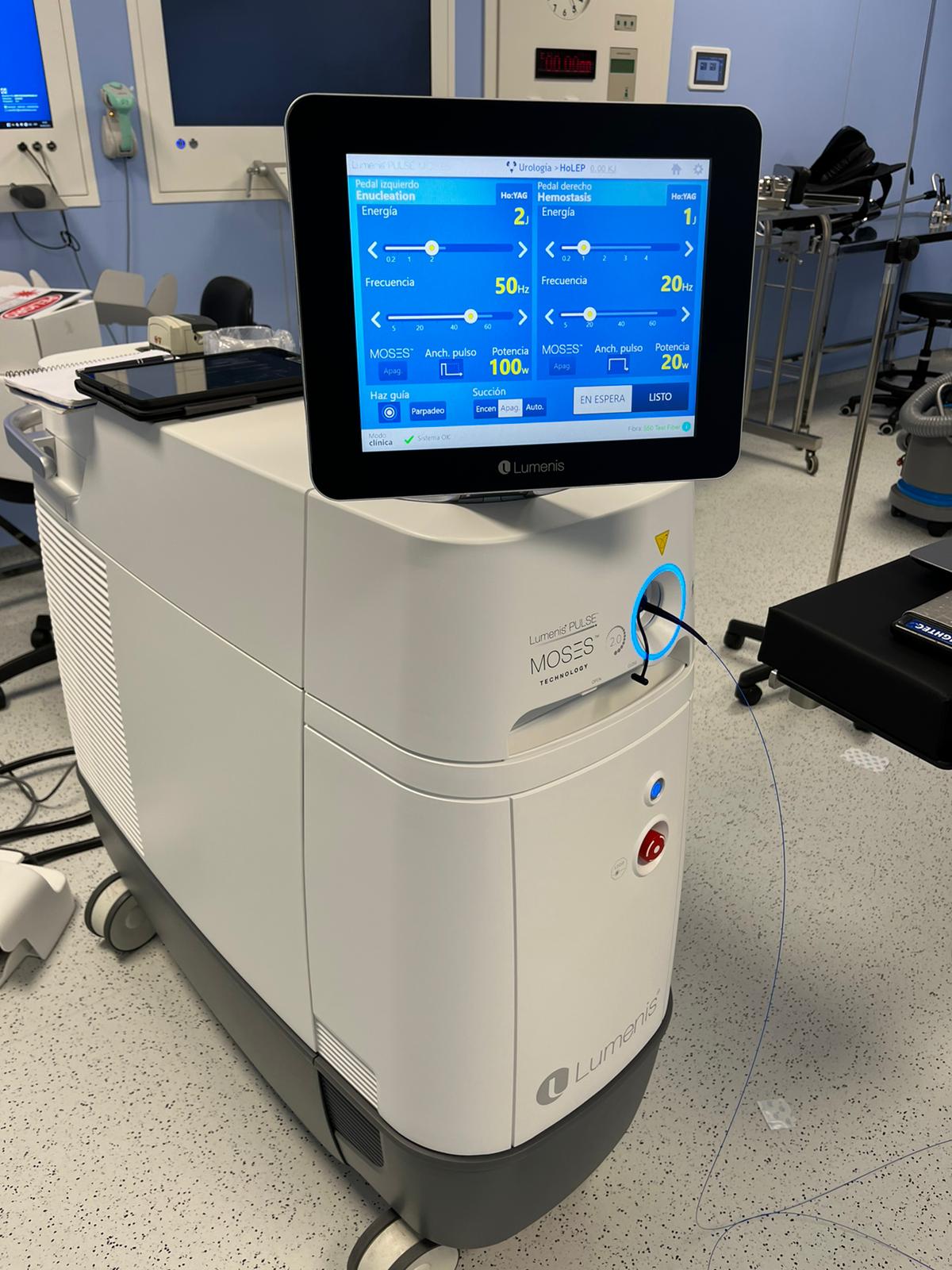
Láser de holmio utilizado en el tratamiento HoLEP para la hiperplasia benigna de próstata (HBP).

Laser enucleation (holmium or thulium)

Laser treatment for the prostate uses laser energy, such as Holmium laser or Thulium laser, to remove the enlarged prostate tissue. Both types of lasers are effective and offer a safe procedure with fewer complications than traditional open surgery. Additionally, they allow for a faster recovery and are usually ideal for prostates of moderate to large size, providing a minimally invasive and high-precision solution.

Rezum es un dispositivo medico para el tratamiento de la hiperplasia benigna en prostata pequeñas.

Rezum or Water Vapor Therapy

This minimally invasive treatment uses water vapor to remove the enlarged prostate tissue causing urinary obstruction. It is performed on an outpatient basis, directly in the clinic, with no need for hospitalization. Additionally, it offers a quick recovery time, allowing patients to resume their daily activities shortly after, with less discomfort than traditional surgery.

Frequently Asked Questions about Benign Prostatic Hyperplasia (BPH)

No. Benign prostatic hyperplasia (BPH) is a non-cancerous condition, although both BPH and prostate cancer can coexist. That’s why regular medical check-ups are essential.

Yes, with early diagnosis and appropriate treatment, it is possible to control the symptoms and maintain a good quality of life.

You should see a specialist if you experience persistent symptoms such as difficulty urinating, pain, blood in the urine, or frequent urinary infections.


Expert urologists in the treatment of benign prostatic hyperplasia in Málaga

If you’re looking for an andrologist or urologist in Málaga to treat benign prostatic hyperplasia (prostate enlargement), Andrología Málaga is your best choice. Our team of specialists offers a comprehensive and personalized approach to diagnose and treat this condition, ensuring the best care for your urinary health and overall well-being.

If you have any questions or want more information, don’t hesitate to contact us. We’re here to help you.